Efficiency of Belt Conveyor Systems
Release time:2026-01-08 Click:31
A belt conveyor is a continuous transport mechanism that uses a rotating belt to move materials from one point to another, serving as the backbone of modern logistics and manufacturing. Unlike manual handling or forklift transport, belt conveyors provide a seamless flow of goods, significantly reducing labor costs and the risk of product damage. They are capable of moving everything from lightweight packages to heavy bulk materials like coal or iron ore over long distances, making them indispensable in industries ranging from mining to airport baggage handling.
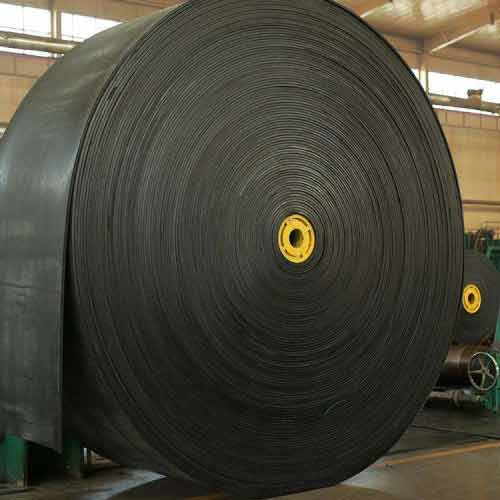
The design of a belt conveyor involves a wide rubber or PVC belt looped around pulleys, with rollers supporting the belt to minimize friction. The choice of belt material is critical; for instance, food-grade conveyors use white PU belts that are easy to sanitize, while heavy-duty mining conveyors utilize reinforced rubber with steel cords to prevent tearing under immense tension. Modern conveyors are often equipped with variable speed drives and sensors that can detect belt misalignment or slippage, allowing for automated adjustments that maximize throughput and minimize downtime.
In recent years, the integration of smart technology has revolutionized belt conveyor systems. IoT-enabled sensors now monitor the health of the motor and the condition of the belt in real-time, predicting maintenance needs before a breakdown occurs. This predictive maintenance capability is crucial for large-scale operations where a single conveyor failure can halt an entire production line. As industries move toward greater automation, the belt conveyor remains a vital, evolving component that ensures the rapid and reliable movement of goods in a globalized economy.
Previous article:The Reliability and Low Maintenance of Modern Belts
Next article:PVC Conveyor Belt: Low-Noise Operation for Quiet Workplaces
Hot products
Mobile: +86 15369229308
Email:metalproducts2025@163.com
Email:565169797@qq.com