Flat Belt Conveyor for Production Lines
Release time:2026-03-10 Click:5
Flat belt conveyors are indispensable equipment in modern production lines, engineered for efficient, continuous material transport across manufacturing, packaging, and assembly processes. Unlike roller conveyors that struggle with irregularly shaped items or steep inclines, these flat belt systems feature a smooth, wide belt surface to handle diverse loads—from small components to bulk materials—while ensuring stable movement at adjustable speeds. Ideal for food processing, electronics manufacturing, automotive assembly, and logistics facilities, they cater to plant managers and engineers prioritizing productivity, versatility, and low maintenance in automated production.
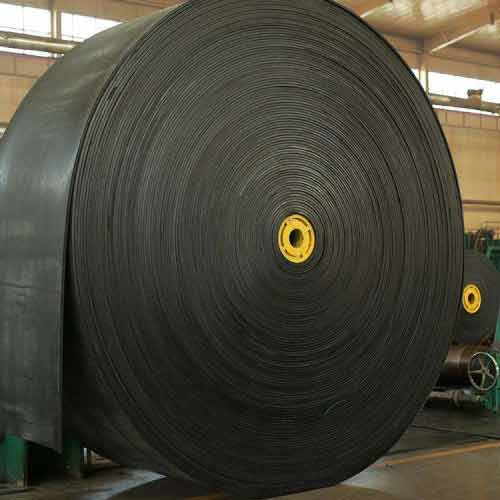
The foundation of their reliable performance lies in premium materials and precision engineering. The conveyor belt is crafted from durable materials such as PVC, PU, rubber, or food-grade silicone—selected based on application needs (e.g., oil resistance for automotive plants, FDA compliance for food industries). The belt’s flat surface is reinforced with polyester or nylon carcasses to enhance tensile strength, preventing stretching or tearing under heavy loads. The drive system (motorized pulleys or gear motors) and idler rollers are designed for smooth operation, with variable frequency drives (VFD) allowing speed adjustments from 0.5m/min to 30m/min to match production rhythms.
A key advantage of flat belt conveyors is their versatility and adaptability to production line needs. They are available in custom lengths (2m-50m), widths (300mm-2000mm), and configurations (horizontal, inclined, curved), adapting to factory layouts and material transport requirements. The flat belt design supports both light and heavy loads (up to 500kg/m2) and handles irregularly shaped items (e.g., boxes, components, fabrics) without slipping or jamming. Many systems feature modular designs, enabling easy extension or modification as production lines expand. Optional accessories (side guards, guide rails, sensors) enhance safety and functionality, preventing material spillage and enabling automated control.
Practicality and efficiency define these conveyors, as they streamline production processes while reducing labor costs. The continuous transport eliminates manual handling, minimizing human error and increasing throughput—critical for high-volume manufacturing. For plant managers, the low maintenance design (sealed bearings, wear-resistant belts) reduces downtime and operational costs. The smooth belt surface prevents material damage, preserving product quality for delicate items like electronics or food. Energy-efficient motors and VFDs lower power consumption, aligning with sustainability goals in modern factories.
For anyone optimizing production line efficiency, flat belt conveyors are an indispensable investment in automation and productivity. They blend durable construction, versatile design, and efficient transport to meet the demands of diverse manufacturing environments. Whether used for moving components in an electronics plant, packaging food products, or assembling automotive parts, these conveyors deliver consistent performance—proving that reliable material transport is the backbone of streamlined, high-performance production lines.
Previous article:The Essential Role of Groove Belt in Modern Industrial Applications
Next article:Enhancing Material Transport with a Conveyor Belt with Cleats
Hot products
Mobile: +86 15369229308
Email:metalproducts2025@163.com
Email:565169797@qq.com