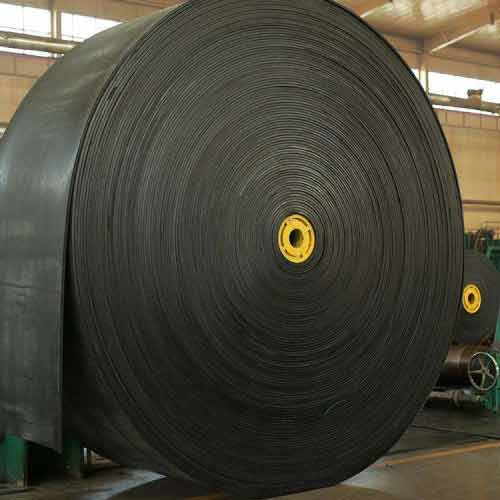
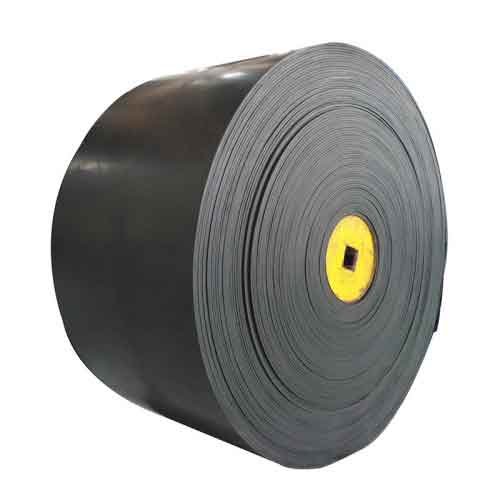
Product details description
Heavy-duty conveyor belts are critical components in the mining industry,
serving as the backbone of material handling systems that transport bulk
materials such as coal, ore, gravel, and minerals across mining sites. These
conveyor belts must withstand extreme operating conditions, including heavy
loads, abrasive materials, harsh weather, and prolonged continuous use, making
their design, material selection, and maintenance essential for ensuring
operational efficiency and safety. The mining industry relies on heavy-duty
conveyor belts to minimize manual labor, reduce transportation costs, and
optimize the flow of materials from extraction points to processing facilities
or storage areas.
The design of heavy-duty mining conveyor belts is tailored to meet the
unique demands of the mining environment. Key design features include a thick,
robust carcass for structural integrity, high-tensile strength to support heavy
loads, and specialized cover materials to resist abrasion and impact. The
carcass, typically made from multiple layers of polyester, nylon, or steel cord,
provides the belt with tensile strength and flexibility, allowing it to navigate
pulleys and idlers while supporting loads of up to several thousand tons per
hour. The cover material, often rubber or polyurethane, is formulated to
withstand the abrasive action of sharp-edged minerals and rocks, with
thicknesses ranging from 10-30 mm depending on the severity of abrasion.
Material selection for heavy-duty mining conveyor belts is a critical
factor in determining their performance and lifespan. Rubber covers are the most
common choice due to their excellent abrasion resistance, flexibility, and
cost-effectiveness. For highly abrasive applications, such as transporting coal
or hard rock, synthetic rubber compounds (e.g., styrene-butadiene rubber,
nitrile rubber) are used, as they offer superior resistance to cutting and
tearing. Steel cord carcasses are preferred for long-distance conveyor systems
or applications requiring high tensile strength, while fabric carcasses
(polyester/nylon) are suitable for shorter distances and moderate loads.
Additionally, flame-retardant and anti-static materials are mandatory for
underground mining applications to prevent fire and explosion hazards.
Heavy-duty conveyor belts in mining applications are subjected to a range
of operational challenges that require proactive maintenance to ensure
reliability. Common issues include cover wear, carcass damage, pulley
misalignment, and belt slippage. Regular maintenance practices include visual
inspections for wear and damage, belt tension adjustment, lubrication of pulleys
and idlers, and periodic cover repairs or belt replacement. Advanced monitoring
technologies, such as belt condition monitoring systems and temperature sensors,
are increasingly used to detect potential issues early, minimizing unplanned
downtime. Proper maintenance not only extends the lifespan of the conveyor belt
but also reduces the risk of costly breakdowns and safety incidents.
The future of heavy-duty conveyor belts in the mining industry is focused
on enhancing durability, efficiency, and sustainability. Manufacturers are
developing advanced materials, such as ceramic-reinforced rubber covers and
high-strength synthetic fabrics, to improve abrasion resistance and extend
service life. Energy-efficient designs, including low-friction idlers and
variable-speed drives, are being implemented to reduce power consumption.
Additionally, the integration of digital technologies, such as IoT sensors and
predictive analytics, is enabling predictive maintenance, further optimizing
operational efficiency. As the mining industry continues to evolve, heavy-duty
conveyor belts will remain essential, with ongoing innovations ensuring they
meet the growing demands for productivity, safety, and sustainability.
Previous article:
Conveyor Belt Environmental Impact and Sustainability
Next article:no more