Optimizing Industrial Efficiency with a Reliable Belt Conveyor
Release time:2026-01-31 Click:16
A belt conveyor is a cornerstone of modern material handling systems, designed to transport bulk materials, goods, and products efficiently from one point to another. Consisting of a continuous loop of moving material (the belt) driven by pulleys and motors, this system is essential for industries ranging from mining and agriculture to packaging and logistics. The primary advantage of a belt conveyor is its ability to move heavy or voluminous loads over long distances and complex routes with minimal energy consumption. By automating the transportation process, businesses can significantly reduce labor costs, enhance safety, and maintain a consistent flow of production.
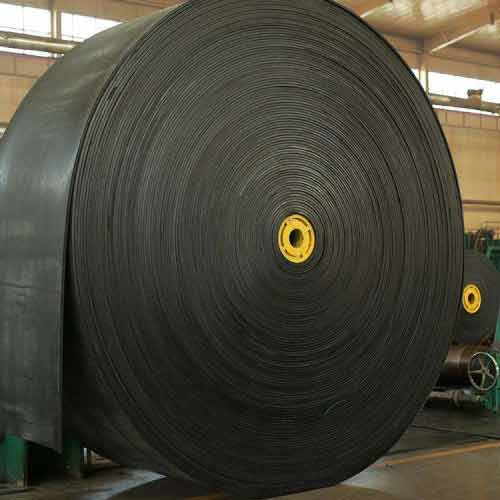
The versatility of a belt conveyor allows it to be customized to suit a wide variety of materials and environments. Belts can be made from rubber, PVC, fabric, or metal, depending on whether they are handling abrasive rocks, delicate food items, or sharp electronic components. Additionally, the conveyor can be designed with flat belts, cleated belts, or sidewalls to prevent spillage on inclines. In environments that require strict hygiene, such as food processing or pharmaceuticals, belt conveyors made from easy-to-clean materials are indispensable, ensuring that sanitary standards are rigorously maintained without sacrificing speed.
Maintenance and safety are paramount when operating a belt conveyor to ensure longevity and prevent accidents. Modern systems are often equipped with sensors that detect belt misalignment, slippage, or wear, allowing for predictive maintenance before a breakdown occurs. Safety features such as emergency stop cords, protective guards, and automated lubrication systems are standard to protect workers. Whether used for simple airport baggage handling or complex heavy-duty mining operations, a well-maintained belt conveyor is a vital asset that keeps the global supply chain moving smoothly and efficiently.
Previous article:Enhancing Power Transmission Efficiency with Groove Belts
Next article:Maximizing Efficiency with a Reliable Flat Conveyor Belt
Hot products
Mobile: +86 15369229308
Email:metalproducts2025@163.com
Email:565169797@qq.com