Optimizing Industrial Efficiency with Various Conveyor Belt Types
Release time:2026-02-07 Click:18
Material handling is the backbone of manufacturing and distribution logistics, and selecting the right conveyor belt types is crucial for operational success. Different belts are designed to handle specific materials, environments, and load capacities. From heavy mining operations to delicate food processing, the choice of belt determines the speed, safety, and efficiency of the entire system. Understanding the nuances of each type ensures that production lines run smoothly without costly downtime.
One of the most common conveyor belt types is the flat belt, which is widely used for transporting general goods on conveyor beds. These belts are versatile and can handle medium loads with excellent efficiency. For inclines or declines, cleated belts are preferred because they feature raised sections that prevent materials from sliding backward. In contrast, modular plastic belts are interlocking pieces that are easy to repair and clean, making them ideal for the food and beverage industry.
Heavy-duty applications often rely on metal or chain belts. These conveyor belt types are designed to withstand extreme temperatures, sharp objects, and massive weights. Chain belts are often found in the automotive and steel industries, where durability is paramount. Meanwhile, PVC belts are cost-effective solutions for lighter applications, offering resistance to oil, chemicals, and moisture, which makes them suitable for packaging and sorting lines.
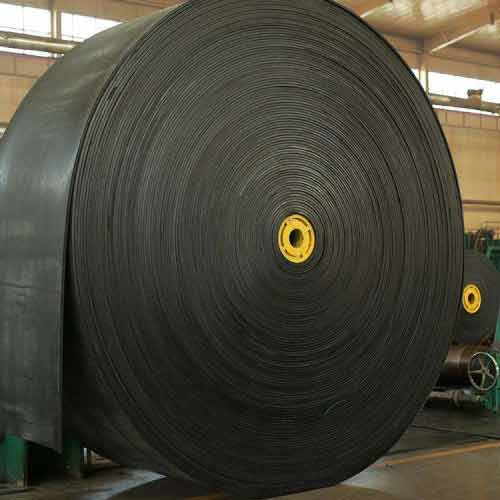
Maintenance requirements vary significantly across different conveyor belt types. Fabric-reinforced rubber belts require periodic tensioning and tracking to prevent misalignment, while modular plastic belts can be cleaned simply by removing individual links. Metal belts, while highly durable, may need lubrication to reduce friction. Selecting a belt type that aligns with the facility's maintenance capabilities is essential for minimizing operational disruptions and extending the equipment's lifespan.
In conclusion, the diversity of conveyor belt types allows industries to tailor their material handling systems to specific needs. By evaluating factors such as load, environment, and maintenance, engineers can select the optimal belt that maximizes productivity. This careful selection is the key to maintaining a competitive edge in a fast-paced industrial landscape.
Previous article:How Chain Conveyor Systems Streamline Industrial Operations
Next article:Maintaining Continuous Flow with Essential Conveyor Belt Parts
Hot products
Mobile: +86 15369229308
Email:metalproducts2025@163.com
Email:565169797@qq.com