Product details description
Standard multi-ply conveyor belts are the workhorses of the material
handling industry, widely used in mining, agriculture, and manufacturing due to
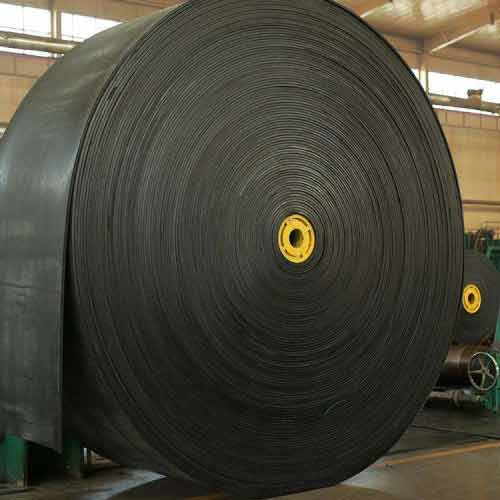
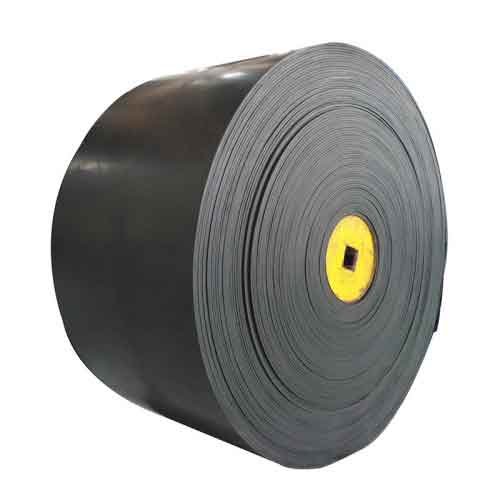
their robust construction. These belts are constructed by layering multiple
piles of fabric, such as polyester, nylon, or cotton, which are then bonded
together with rubber or other polymers. The "multi-ply" design allows the belt
to withstand high levels of tension and impact, making it suitable for
transporting heavy, abrasive materials like ores, rocks, and gravel over long
distances.
The primary advantage of a multi-ply construction is its exceptional
strength and resistance to stretching. When a conveyor belt is subjected to the
stress of carrying heavy loads, the multiple piles work together to distribute
the force evenly. This reinforcement minimizes elongation over time, ensuring
that the belt maintains its correct tension and tracking on the pulleys.
Single-ply belts might be sufficient for lighter applications, but in heavy-duty
environments, the structural integrity provided by several layers of fabric is
indispensable to prevent snapping or premature failure.
Another key benefit of standard multi-ply belts is their flexibility and
ability to absorb shock. In industries like mining where large, jagged rocks are
dumped onto the belt, the impact can be severe. The rubber covers and the
flexible fabric piles act as a cushion, absorbing the energy of the falling
material rather than transferring it directly to the belt's core. This shock
absorption capability significantly extends the lifespan of the belt and reduces
the likelihood of damage to the conveyor system’s components, such as idlers and
pulleys.
Furthermore, the versatility of standard multi-ply belts makes them
adaptable to a wide range of operational conditions. Manufacturers can customize
the number of piles and the type of fabric used to suit specific requirements,
such as higher oil resistance or greater heat tolerance. The top and bottom
covers can also be tailored with different rubber compounds to handle specific
materials, whether they are sharp, oily, or corrosive. This adaptability ensures
that a standard multi-ply belt can be engineered to meet the rigorous demands of
virtually any bulk material handling application.
In conclusion, standard multi-ply conveyor belts offer a reliable and
durable solution for transporting heavy and abrasive materials. Their layered
construction provides the necessary tensile strength and impact resistance
required in tough industrial environments. By combining the resilience of
multiple fabric piles with the protective qualities of rubber, these belts
ensure continuous operation and minimize downtime. For any operation
prioritizing durability and cost-effectiveness in bulk handling, multi-ply belts
remain a top choice.
Previous article:
Conveyor Belt System Design: Industrial Applications and Benefits
Next article:
Conveyor Belt Environmental Impact and Sustainability